Metal panels (for sheeting) are one of the most attractive features of a metal building system. The term panel refers to the metal sheets used for roof and wall, interior roof and wall liners, partition panels, fascia panels and soffit panels.
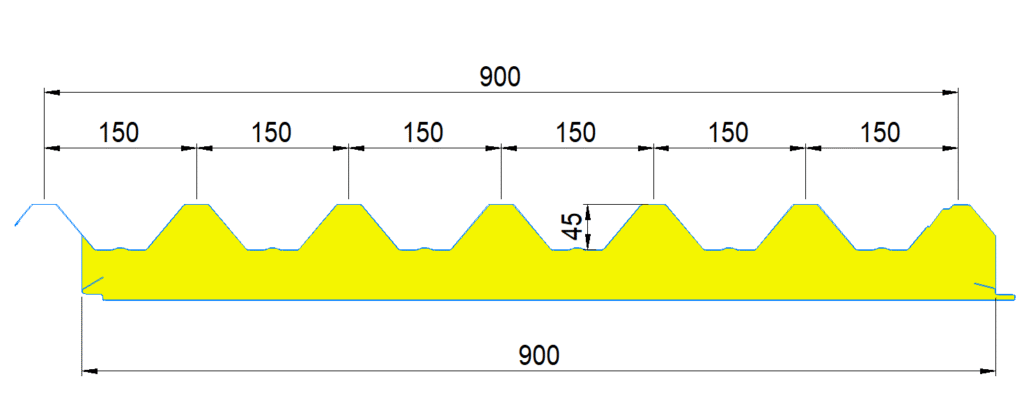
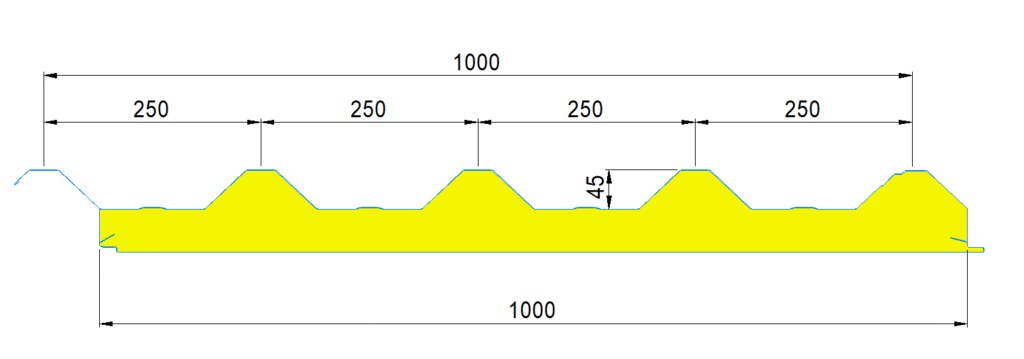
The single skin profiled sheet is ideal for agricultural, commercial, and industrial buildings. These profiles are available with design flexibility to suit your design requirements and can also be used as wall and roof panels. The profiles are available in 2 different types, M45-250 and M45-150, and are either steel or aluminum.


Steel Panels – standard stocked steel panels conform to ASTM A792, Grade 340 Class I. The protective steel coating shall be an aluminum zinc alloy comprised of 55% aluminum and 45% zinc, weighing 150 grams/m², applied on both sides. The aluminum zinc alloy coating offers roughly 4 times more corrosion resistance compared to the galvanized alternative.
Aluminum Panels – standard stocked aluminum panels are made from alloy AA3105, temper H46 for mill finish and for pre-painted panels. Pre-painted aluminum comes with a 5 micron primer paint and 18+ micron polyester paint applied at the mill on the exterior face. The polyester paint is made of a polymer that is equal or superior to silicon polyester.
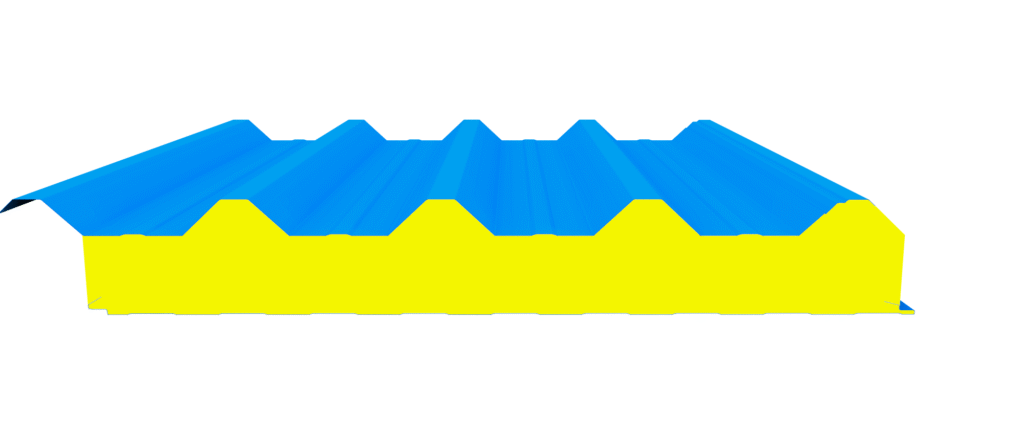
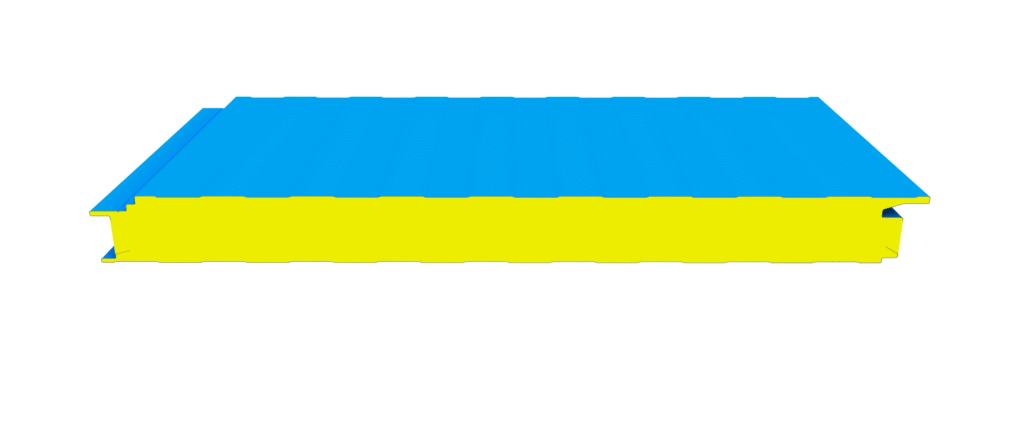
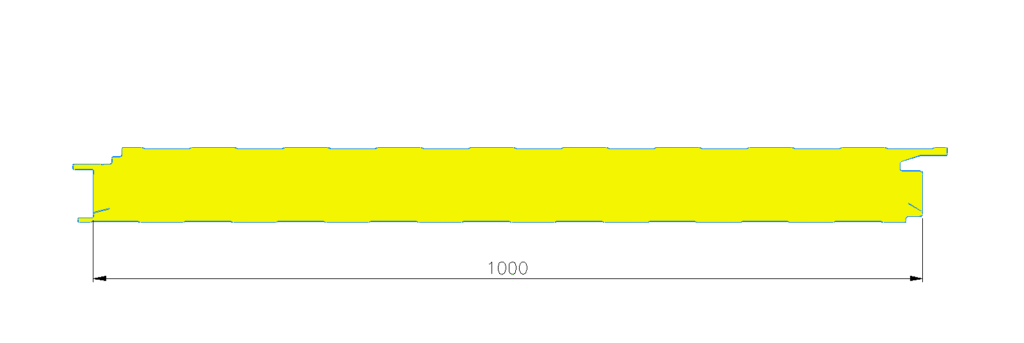
MBS produces sandwich panels in 6 thicknesses: 35 mm, 50 mm, 75 mm, 100 mm, 125 mm and 150 mm, with an excellent slip joint connection for structural strength and weather tightness.
The top and bottom profiles can be manufactured from variable selections such as the M45-250, M45-150 and Micro Ribbed.


Rigid polyurethane (PUR) and polyisocyanurate (PIR) foam, sandwiched by metal or flexible facings is increasingly successful in meeting the requirements of the construction industry, with an emphasis on cost effective building systems and conservation. Some popular applications include industrial and commercial buildings, as well as the food supply sector (cold storage, refrigerated transport, etc.).
Rigid PUR insulation products are made by reacting a liquid polyol component with a liquid polymeric isocyanate component, methylene diphenyl di-isocyanate (MDI), in the presence of a blowing agent and other additives, the result is a highly efficient insulation product.
While rigid PIR is produced using an excess of the MDI component, in the presence of an appropriate catalyst the excess MDI reacts with itself to form isocyanurate, resulting in greater heat stability. PIR insulation products have increased fire performance and reduced combustibility and a higher working temperature limit compared to PUR. When incorporated into building products, PIR panels meet some of the most demanding fire performance requirements.
Sandwich panels offer a wide range of desirable properties, which can be seen from the increasing demand of this unparalleled construction product.
Some of these properties include: