Pre-Engineered Buildings

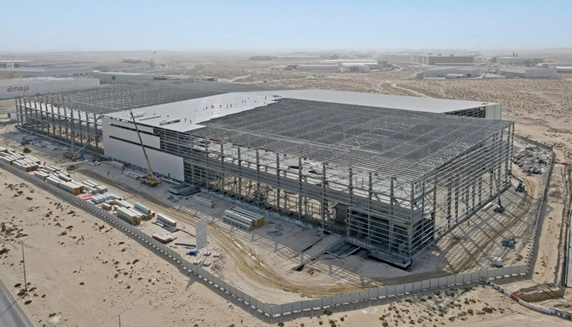
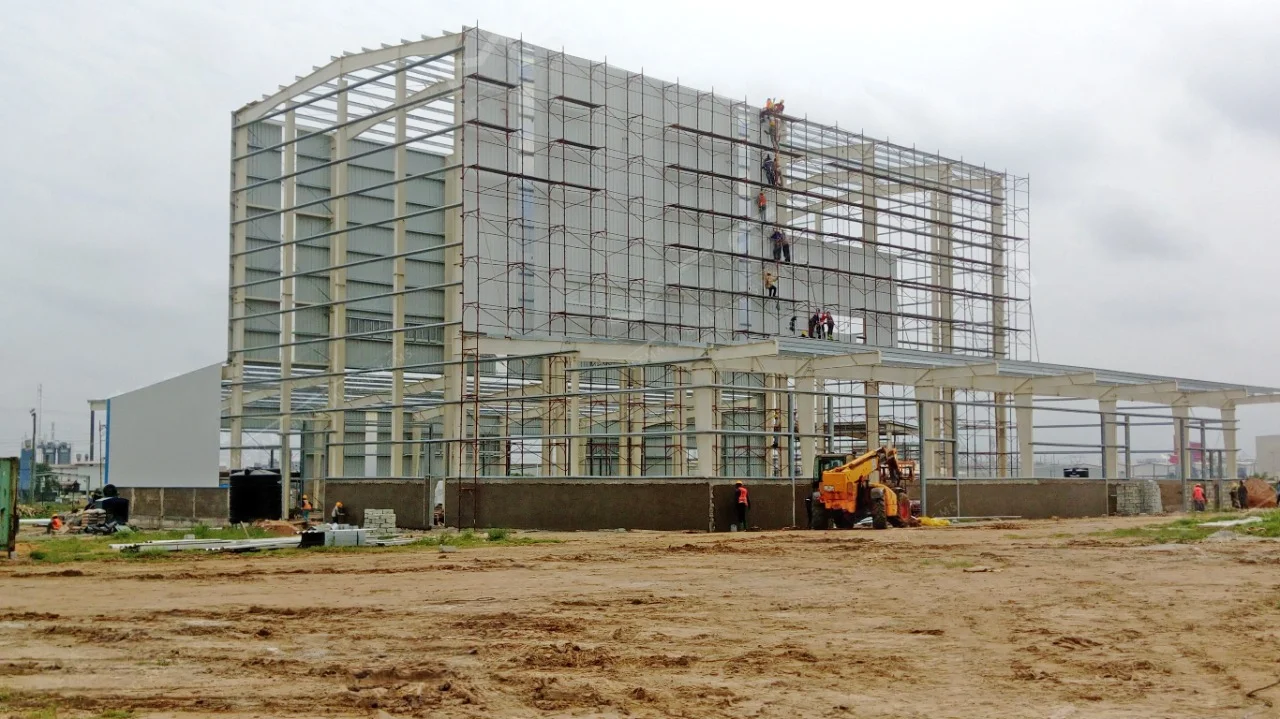
The Pre-Engineered Building (PEB) concept or the Metal Building System was first developed in the USA after World War II, as one of the solutions for the increasing demand of fast economic growth, and then transferred the concept to other industrialized countries. The Metal Building System consists of a complete steel frame building system, with pre-designed components to best suit the unique customer requirements. The final product is a complete building shell with sub structural systems including mezzanine floors, crane systems, canopies, fascia and interior partitions.
The PEB system is a standard in commercial and industrial market segments and is continuing to make greater inroads into the low-rise sophisticated building market, commercial office buildings and mixed-use facilities. These buildings are now recognized as reliable, aesthetically pleasing, energy efficient and cost-effective alternatives.

Advantages of PEB from MBS:

  • Cost-efficient design with a lighter structure
  • Single-source total building solutions
  • Guaranteed 6-8 weeks production time
  • Superior quality through controlled factory conditions
  • Longer clear span options (without interior columns)
  •  Low maintenance requirements
  • Ease of expansion without disrupting the existing structure
  • Minimized construction waste
  • Highly energy-efficient and recyclable

Defining a PEB Building

Pre-engineered should not be confused with pre-fabricated. The name pre-engineered building was adopted for the following reasons:

  • Pre-set methods for connecting and welding (standardized connections)
  • Utilization of pre-determined stock sizes
  • Optimized design, detailing and fabrication, resulting in most economical (lower weight) and fast delivery (reduced engineering time and fabrication time).

For more information, refer www.mbma.com

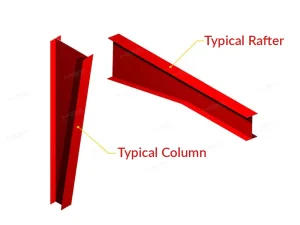
Primary members are the main structural members of PEB Building.
Built-up – these are made up of 3 hot-rolled plates of equal or varying thicknesses welded together to form an I-Section. MBS uses high grade steel plates conforming to ASTM A572M Grade 345 Type 1 (Minimum Yield Strength is 345 N/mm²).

The advantage of using a built-up section as compared to a hot-rolled profile section is that the built-up section can be profiled into a tapered member that accurately adheres to the stress concentration in a building. The flexibility of having different thicknesses for top and bottom flange adds to the advantage and makes built-up sections more economical compared to hot-rolled profiles. The built-up sections are factory painted with a minimum of 50 microns (DFT) of red or gray oxide primer as our standard or any other paint system as per customer choice.

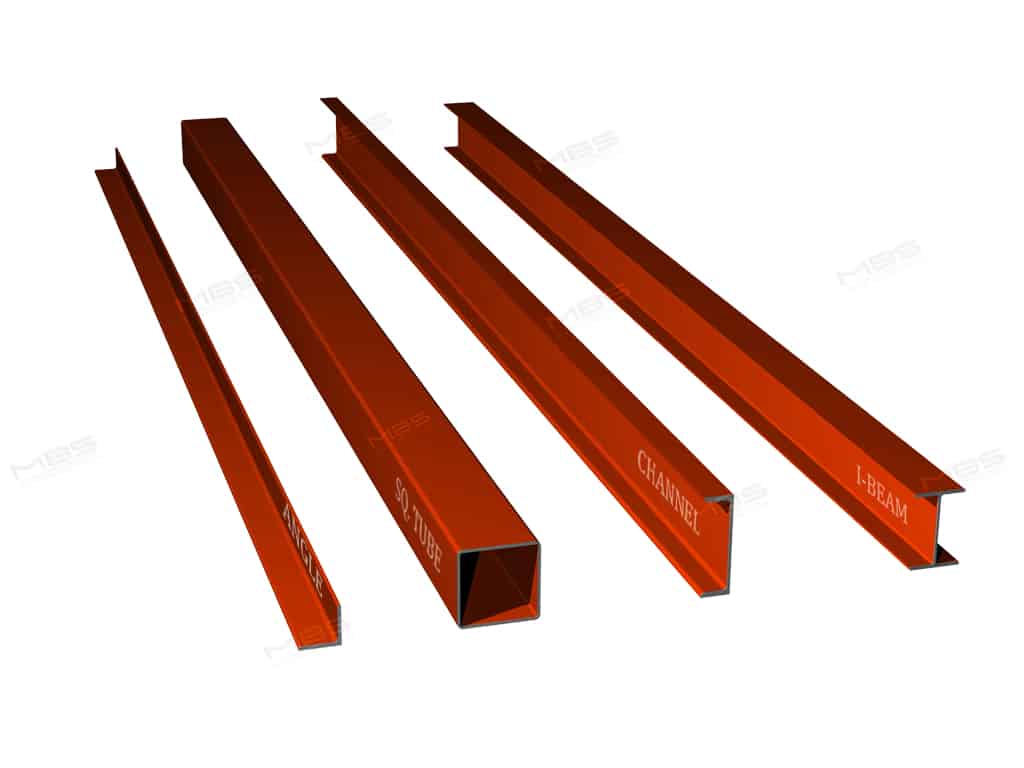
Hot-rolled – these are the general hot-rolled profiled sections available in the steel market conforming to various international standards.

MBS applies minimum hot-rolled sections for use as end wall columns, fascia posts, brackets, canopy framing, crane cap channels, stair stringers, strut tubes, mezzanine columns and angle bracing. The grade conforms as given below for different profiles.

SectionSpecificationMinimum Yield Strength
I-SectionASTM A572M Grade 345 / EN 10025 S355 JR345 N/mm²
ChannelASTM A572M Grade 345 / EN 10025 S355 JR345 N/mm²
Square TubeASTM A500M Grade B315 N/mm²
AngleASTM A36M (Fu = 400 N/mm²)250 N/mm²

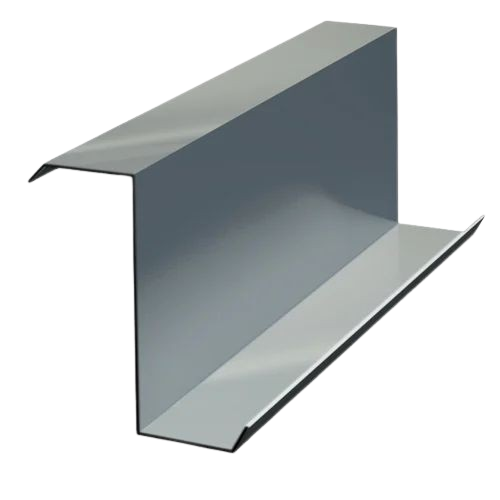
Z-Profile

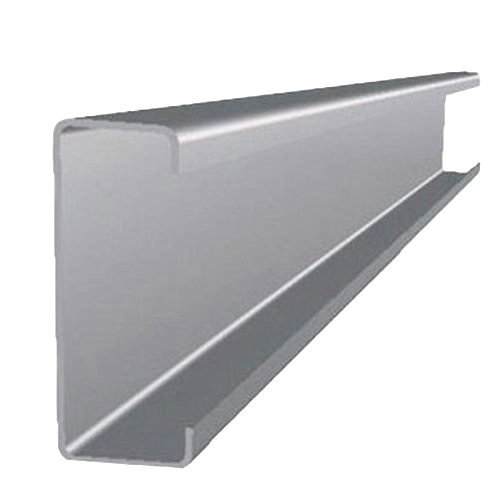
C-Profile

Purlins, girts, eave struts, base angles and gable angles are cold formed from galvanized steel coils conforming to ASTM A653M SS Grade 340 Class 1 or equivalent and ranging in thickness from 1.5mm to 2.5mm.

MBS PEB structures are not just buildings; they are tailored solutions, delivering quality, efficiency, and flexibility across sectors. PEB offers versatility in various applications such as:

  • Warehouses
  • Factory buildings
  • Showrooms
  • Shopping centers
  • Supermarkets
  • Distribution centers
  • Exhibition halls
  • Aircraft hangars
  • Cold storage
  • Parks and sports centers
  • Office buildings
  • Labor camps
  • Residential buildings
  • Multi-storey buildings